Complete Guide for Embedded Vision in Medical and Healthcare
- Dennise Alvarado
- 6 days ago
- 4 min read

Medical and healthcare technologies are evolving toward smarter, more connected systems capable of processing visual and sensor data in real time. In this environment, embedded vision and Edge AI enable medical devices and healthcare platforms to capture, process, and analyze visual information directly at the edge, helping improve diagnostics, patient monitoring, and operational efficiency.
Industrial Challenges We Help Solve
High latency in medical imaging systems
Reducing delays in diagnostic imaging and video processing by enabling real-time embedded analytics.
Unstable medical video feeds
Improving image quality and usability with real-time video stabilization for surgical cameras, portable devices, and telemedicine systems.
Need for real-time diagnostics
Enabling AI-assisted analysis directly on embedded platforms for faster decision-making.
Device interoperability issues
Integrating cameras, sensors, embedded hardware, and software pipelines into unified systems.
Long development and validation cycles
Accelerating deployment with embedded Linux expertise, GStreamer development, and hardware optimization.
Limited remote healthcare visibility
Supporting.
RidgeRun Services for Medical and Healthcare
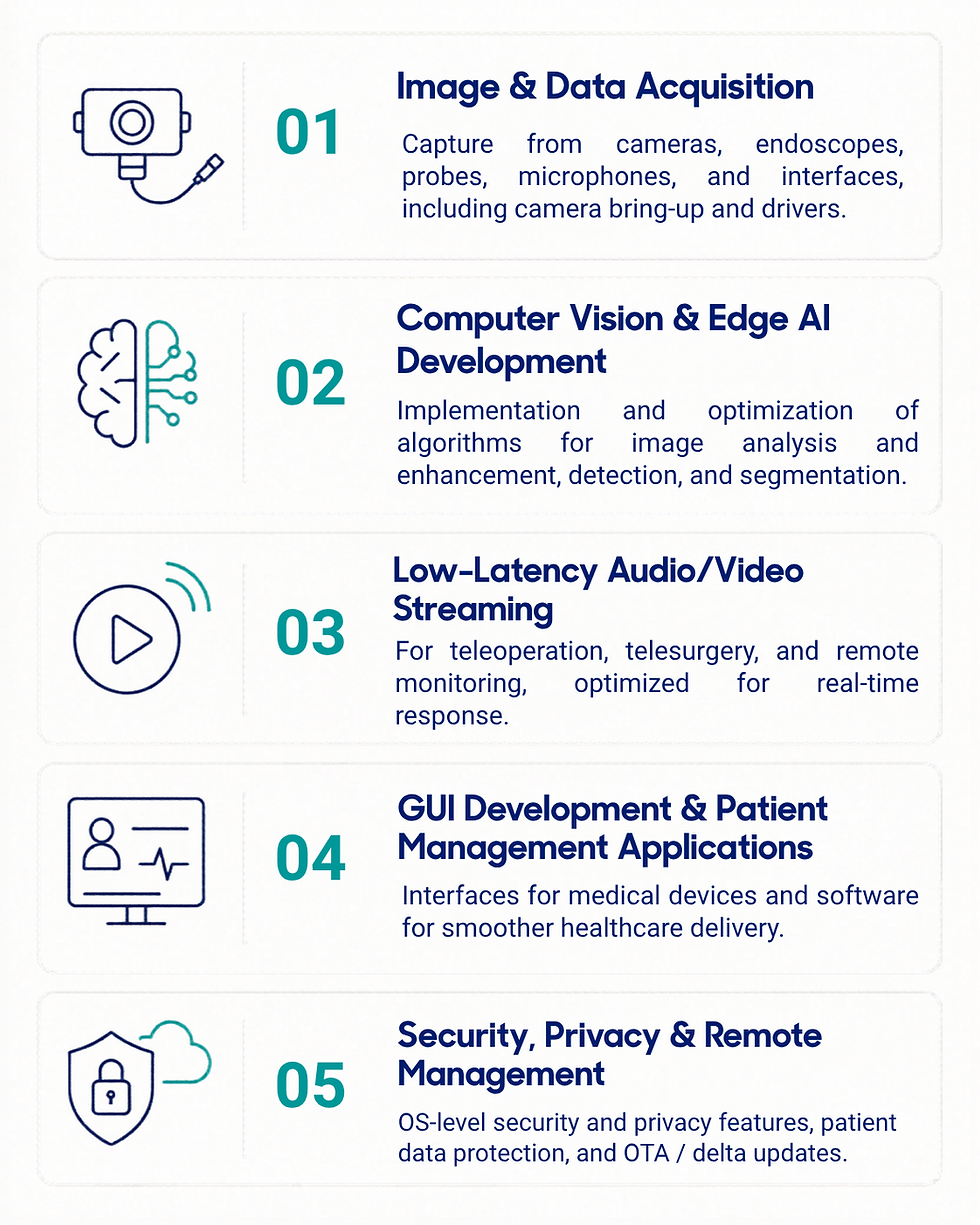
Embedded software solutions focused on computer vision, Edge AI, real-time video processing, sensor integration, and video stabilization help healthcare teams build reliable and production-ready systems for diagnostics, telemedicine, surgical visualization, medical imaging, and remote patient monitoring.
Ready-to-Use Products for Medical and Healthcare
For this industry, ready-to-use software products accelerate the development of medical vision systems by providing proven capabilities for computer vision, Edge AI, secure streaming, and patient privacy. These products support applications such as diagnostic imaging, surgical visualization, patient monitoring, teleoperation, and real-time clinical decision-making.
Object & Face Redaction: Real-time, on-device face and object blurring to protect patient identity in recorded or streamed procedures. Essential for privacy-preserving telemedicine, training footage, and clinical archives.
AI Solutions — RidgeRun.ai: Complete suite of Edge AI tools for embedded medical applications, including pre-trained models, optimization tools, and deployment frameworks for detection, classification, and segmentation at the edge.
Video Streaming Solutions: Low-latency video streaming optimized for embedded hardware. Built for surgical teleoperation, remote monitoring, and live diagnostic collaboration, with support for multiple codecs and protocols.
Computer Vision Solutions: Collection of ready-to-integrate computer vision building blocks—object detection, tracking, segmentation, and image enhancement.
Supported Platforms for Medical Devices
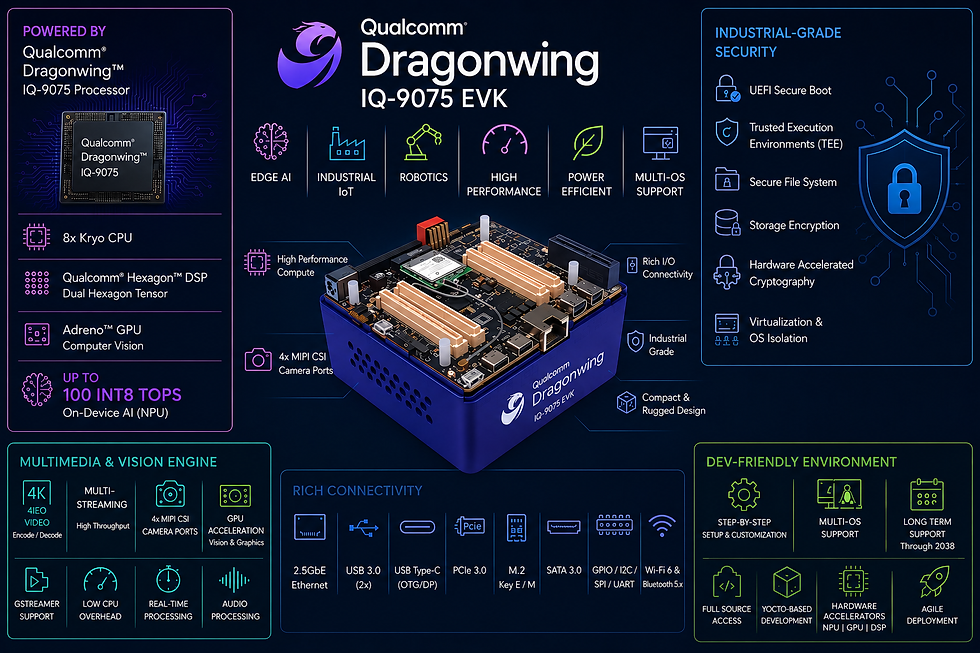
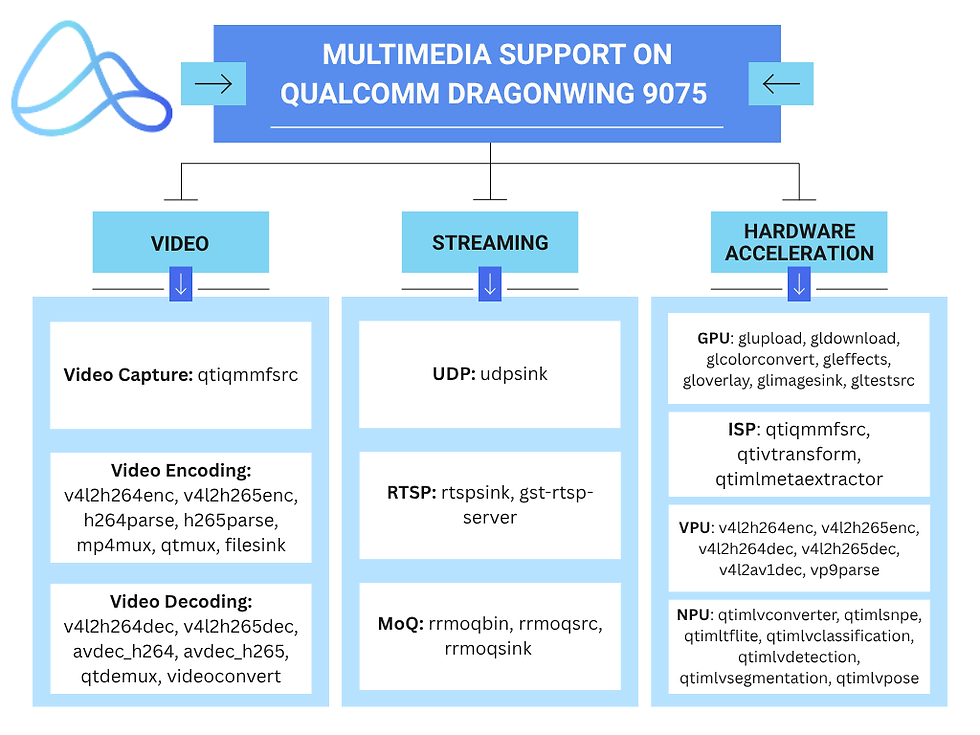
RidgeRun develops on the SoCs and compute platforms most common in medical imaging and AI, including NVIDIA Jetson and the medical-grade NVIDIA IGX platform, as well as Texas Instruments, Xilinx (AMD), NXP, and Qualcomm. For teams building GPU-accelerated, sensor-to-display medical pipelines, our engineering perspective on platforms like NVIDIA Holoscan is covered in depth in our technical deep dive: NVIDIA Holoscan and the Streaming AI Pipeline Landscape.
How Embedded Vision Works in Medical Devices
Embedded vision systems let medical devices capture, process, and analyze visual data directly at the edge—at the bedside, on the cart, or inside the instrument—instead of depending on the cloud. Processing locally keeps latency low, keeps sensitive patient data on-device, and lets the system deliver real-time guidance to clinicians.
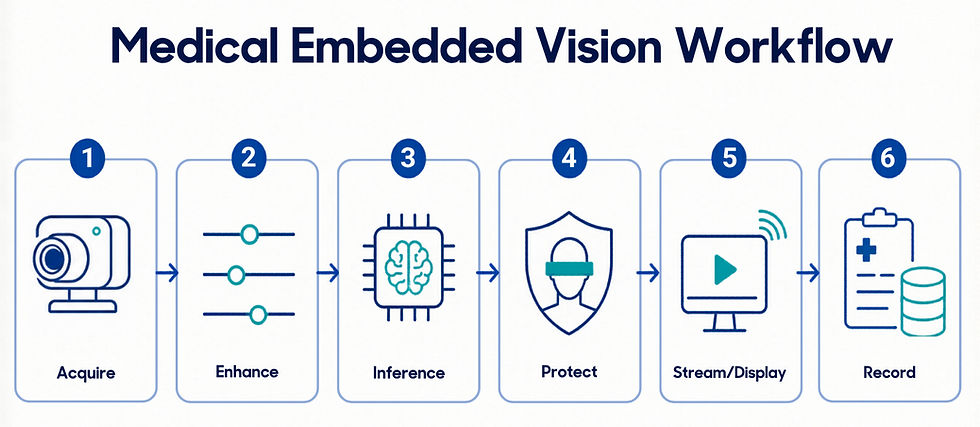
A typical medical embedded vision pipeline moves through:
Image and sensor acquisition (camera, probe)
Image enhancement and ISP tuning
AI inference (detection, segmentation, measurement)
Privacy protection (face and identity redaction)
Low-latency streaming and display
Metadata handling and integration with clinical records.
Conclusion
Embedded vision and Edge AI are becoming essential to modern medical devices. By processing visual data directly at the edge, healthcare teams can improve diagnostic clarity, reduce latency in critical interventions, protect patient privacy, and enable connected, remotely serviceable devices.
RidgeRun helps medical teams move from concept to production-ready implementation across the full pipeline—camera and sensor integration, image enhancement, AI inference, secure streaming, GUI development, and embedded platform optimization—while supporting compliance best practices and long-term maintenance.
Whether the goal is diagnostic imaging, surgical visualization, patient monitoring, or teleoperation, RidgeRun provides the engineering expertise and ready-to-use technologies needed to build reliable medical vision systems.
Contact Us
Ready to bring embedded vision and Edge AI into your medical device?
RidgeRun can help you design, optimize, and deploy production-ready vision solutions for diagnostic imaging, surgical visualization, patient monitoring, teleoperation, and remote diagnostics. Our engineering team supports the complete embedded vision pipeline, from camera and sensor integration and GStreamer development to AI inference, privacy redaction, video streaming, and platform optimization.
Contact RidgeRun today to discuss your medical device project.
FAQ
What is embedded vision in medical devices?
Embedded vision combines cameras, sensors, embedded hardware, and software pipelines to capture and analyze visual data directly inside medical devices, enabling real-time imaging, diagnostics, and monitoring at the edge.
How does Edge AI improve medical devices?
Edge AI runs AI models locally on the device, reducing latency, keeping patient data on-device, and helping clinicians get real-time insights without depending entirely on cloud connectivity.
How does RidgeRun help protect patient privacy?
Through on-device face and object redaction, OS-level security and privacy features, encryption, and secure OTA updates, RidgeRun helps teams protect sensitive patient information while maintaining compliance best practices.
Which platforms does RidgeRun support for medical devices?
RidgeRun supports SoCs commonly used in medical imaging and AI, including NVIDIA Jetson, NVIDIA IGX, Texas Instruments, Xilinx, NXP, and Qualcomm.
What medical applications can benefit from embedded vision?
Embedded vision can support wound imaging, surgical visualization, optical and diagnostic devices, patient monitoring, teleoperation and telesurgery, and remote diagnostics.
How can RidgeRun help with my medical device project?
RidgeRun supports the full embedded vision pipeline—camera and sensor integration, image enhancement, AI inference, privacy redaction, streaming, GUI development, and platform optimization—and offers flexible engagement models to accelerate development while supporting compliance.